Coyoacán, Mexico City: The Neighborhood Around the Frida Kahlo Museum
Coyoacán, Mexico City: a 1928 borough with a small colonial center, 10 km south of the Zócalo, home to the Frida Kahlo Museum.
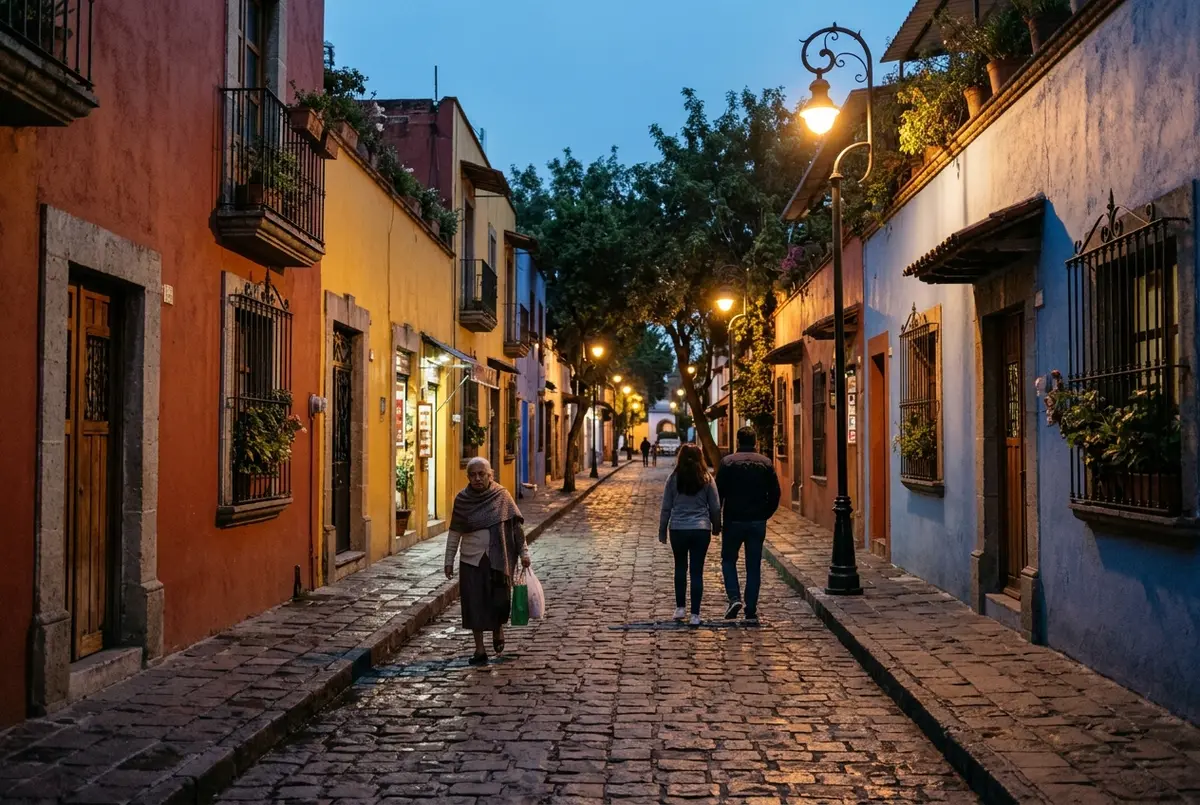
Coyoacán is both a Mexico City borough established in 1928 and, inside it, a small colonial-era historic center of about 29 blocks. The historic center sits 10 km south of the Zócalo and is home to the Frida Kahlo Museum, two colonial plazas and the Coyoacán market.
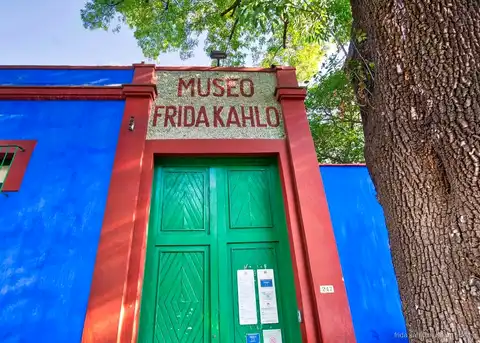 Frida Kahlo Museum Official Entry Ticket: La Casa Azul, Coyoacán From $49.56 · Guaranteed entry, self-guided See dates
On this page 6 sections
Coyoacán, Mexico City is the name of two overlapping things: a large borough created in 1928, and, inside it, a small, walkable colonial center that most visitors actually mean when they say the name. That historic core is where the Frida Kahlo Museum sits.
Coyoacán in numbers
Source:WikipediaWhat is Coyoacán?
It’s a Mexico City borough created in 1928, but the part that draws visitors is its historic center, consisting of about 29 blocks, one of the oldest neighborhoods in the city. Keeping those two scales apart matters: the full borough covers 54.2 square kilometers, while the historic core is small enough to cross on foot in under half an hour.
| Historic center (colonial core) | Coyoacán borough (full alcaldía) | |
|---|---|---|
| Established | First New Spanish city council, 1521 | 1928, when the Federal District split into 16 boroughs |
| Size | About 29 blocks | 54.2 km² |
| What it holds | Twin plazas, the Frida Kahlo Museum, the market | The historic center plus surrounding residential districts |
“Famous for its artistic tourism, the Casa Azul safeguards the intimate universe”
Mexico City government tourism site, 2026 · source
What is Coyoacán known for?
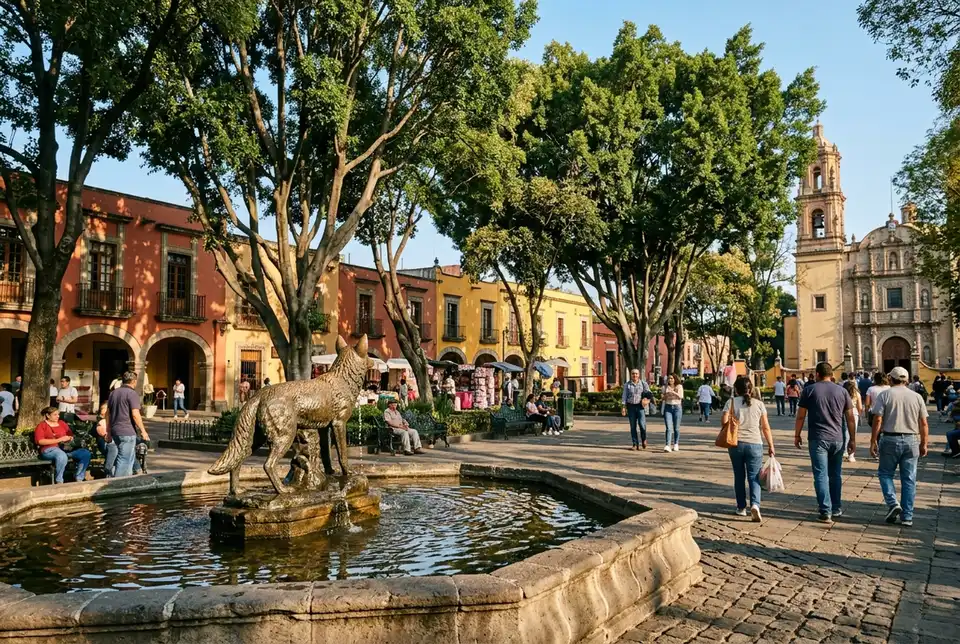
Its twin colonial plazas, Jardín Hidalgo and Jardín Centenario, the Parish of San Juan Bautista, and above all the Frida Kahlo Museum, the house where she was born and lived. Mexico City’s own tourism site describes it as famous for its artistic tourism, with the Casa Azul safeguarding “the intimate universe” of her life and work.
Why is Coyoacán famous?
A pre-Hispanic village once dominated by the Tepanec people, who later allied with the Spanish, and the area became the first New Spanish city council in 1521, serving briefly as the first capital of New Spain. Mexico City’s own tourism site traces it further back: the settlement was founded by Toltecs between the 10th and 12th centuries, and Hernan Cortes first settled here after the fall of Tenochtitlan. That colonial-era history is still visible in the 16th-century layout of its twin squares today.
What’s in Coyoacán?
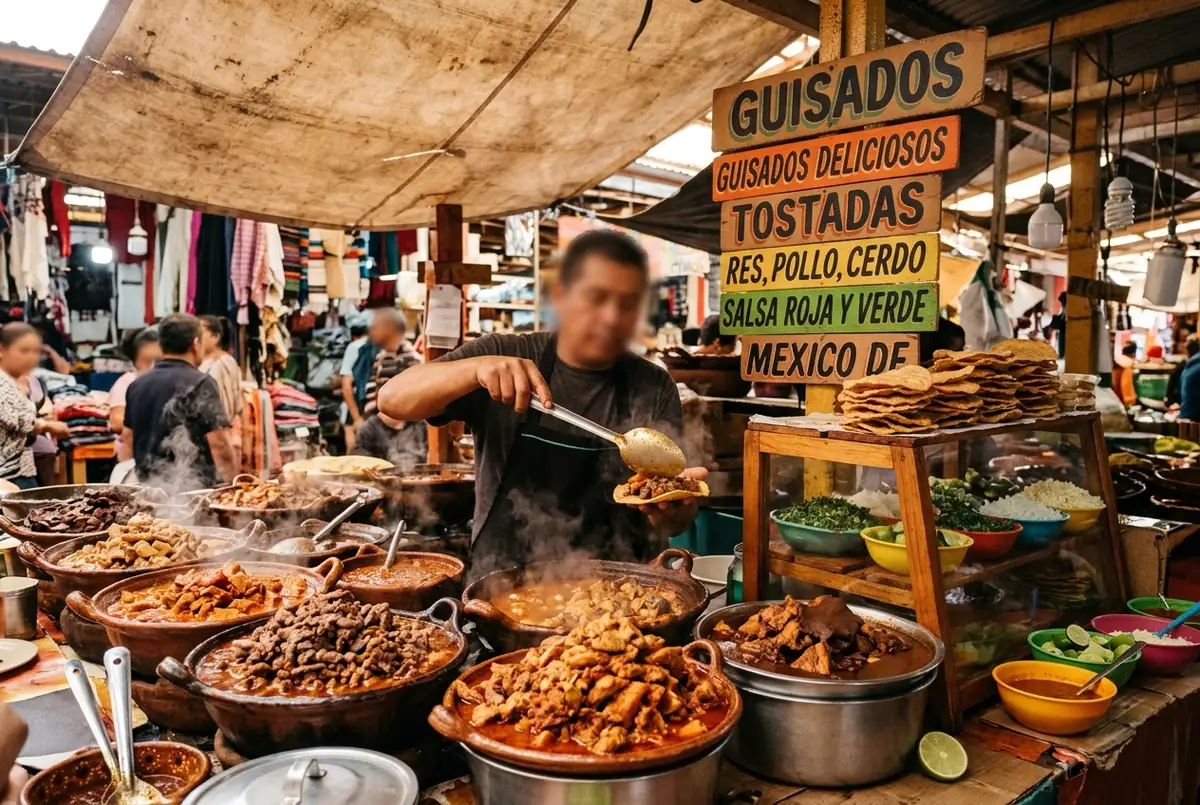
Beyond the Frida Kahlo Museum: the Leon Trotsky House Museum, the Anahuacalli Museum built by Diego Rivera to house his archaeological collection, the Viveros de Coyoacán park, and the Coyoacán market, known for its tostadas de guisados, all within a short walk of the central plazas. I’d pair the museum visit with at least one of these rather than treating Coyoacán as a one-stop trip.
For the full list of what to do once you’re there, see things to do in Coyoacán, and for what the market itself is like, see the Coyoacán market guide.
Getting to Coyoacán's historic center
Open in Google MapsHow far is Coyoacán from the center of Mexico City?
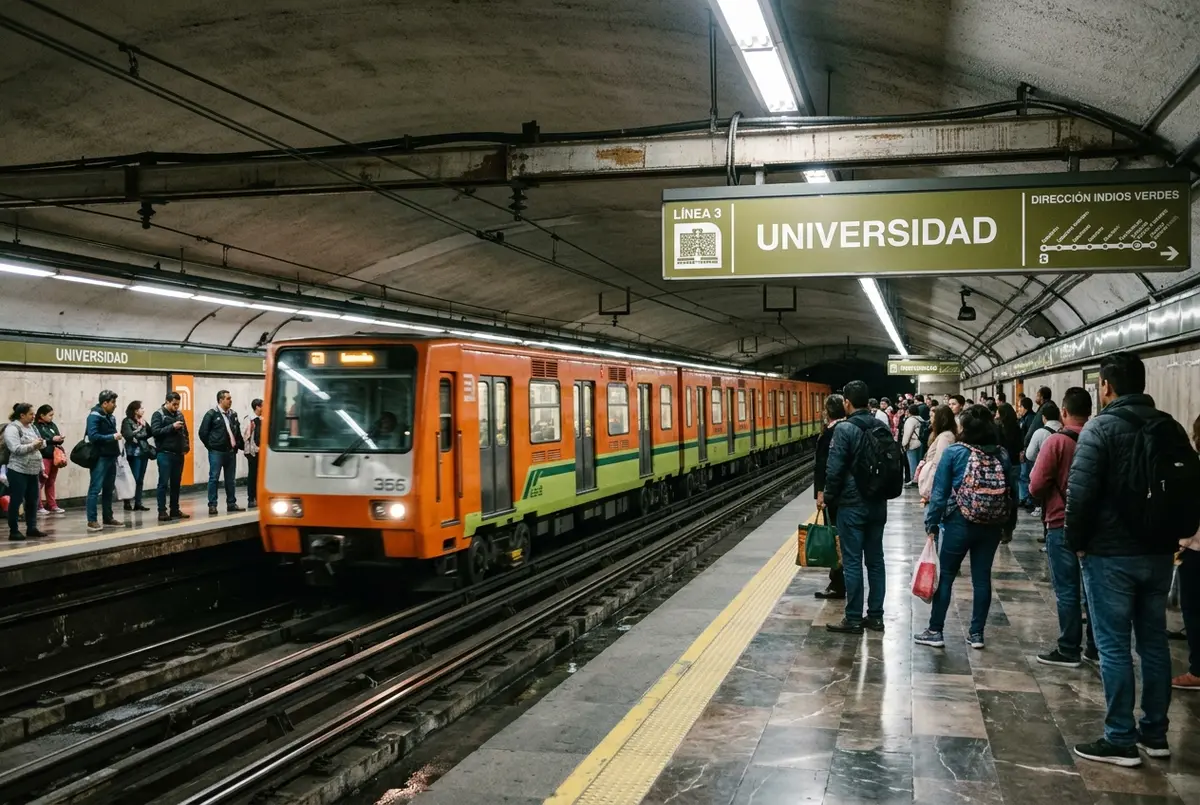
About 10 km south of the Zócalo, Mexico City’s main square, inside a borough that covers 54.2 square kilometers in total. For the full breakdown of transit options and the metro station naming trap, see how far Coyoacán really is and how to get there.
Picture planning a single afternoon to “see all of Coyoacán.” Once you realize the name covers a 54 km² borough as well as a small walkable core, the plan narrows fast, down to the plazas and museums inside that historic center.
To understand who the museum’s namesake actually was before you visit, start with who Frida Kahlo was.
Questions
What does the name Coyoacán mean in Nahuatl?
It comes from Nahuatl Coyohuahcan, meaning “place of those who own coyotes.” That’s also why a bronze coyote fountain sits at the center of one of the plazas.
How do you pronounce Coyoacán?
Koh-yoh-ah-KAHN, with the stress on the final syllable. The accent mark over the final “a” signals that stress in written Spanish.
Is Coyoacán part of Mexico City or a separate town?
It’s a borough (alcaldía) of Mexico City, established in 1928. It was once an independent village and municipality before being absorbed into the Federal District.
Is Coyoacán the historic center the same as the Coyoacán borough?
No. The historic center is a small, roughly 29-block colonial core; the borough around it covers 54.2 square kilometers and includes much more than that core.